


Learn
Explore the science behind The Ecology of You™
We didn't invent anything. Only observed.
The Disconnect.
You’ve read the headlines. Humans are Destroying the Planet…The Earth Will be Uninhabitable in [insert scary number here] Years!
From warming oceans to islands of plastic, it’s enough to send you into a spiral of despair.

The truth is, we are disconnected from land, self, and each other—and it’s making us sick.
This is how deep the disconnection runs.
Fact: Indoor Toxins are Sabotaging our Health
Evidence:
-
VOCs (paints, carpeting, sealants) indoors are 2–5× higher than outdoor levels
-
75–80%+ of homes exceed safe formaldehyde levels in kitchens and bedrooms.
Impact:
-
Linked to respiratory irritation, headaches, cognitive issues, chronic illness
-
Long-term exposure poses carcinogenic risk; indoor air contributes ~96% of total VOC risk

Evidence:
-
Air & chemical pollutants (e.g., endocrine disruptors) strongly linked to obesity, diabetes, cardiovascular disease
Impact:
-
These conditions termed “Diseases of Affluence”—a result of environmental disconnection

Fact: Environmental Pollutants Contribute to Chronic Disease
Fact: Social Disconnection is Risking Our Health

Evidence:
-
Surgeon General reports social isolation raises heart disease risk by ~29%, stroke by ~32%—equivalent to 15 cigarettes/day
Impact:
-
Disconnection from community or environment significantly harms physical health

It’s not about “fixing the world.”
The truth is: your inner world and the outer world are the same system.
When one is sick, the other suffers. And when one heals—the other follows.
Remember that you are the Earth. And everything you do to you—you do to her.
When your home is non-toxic. Your garden self-sustaining. Your nervous system regulated. Your Biology nurtured. Your relationships rooted.
That is what Earth wants: One fully alive human being at a time.


Nature & Mental Health
Humans are biologically and energetically connected to the natural world. Interacting with green spaces, forests, and living soil can restore mental and emotional balance.
Forest Bathing & Stress Reduction
Fact: Woodland walks reduce cortisol levels, lower blood pressure, and improve mood.
Evidence: Nately Hoeg’s research shows green space exposure can reduce cravings and stress, critical in addiction recovery.
Application: Walking in natural areas provides structured yet flexible engagement, mirroring sobriety practices (consistent, small steps lead to long-term change).


Mindfulness & Emotional Regulation
Fact: Grounding and being present in nature improves awareness of thoughts, feelings, and bodily sensations.
Evidence: Trauma-informed grounding practices (earthing, meditation, journaling) regulate overwhelming emotions and reduce dissociation.
Application: Activities like observing moss, hugging trees, or listening to streams provide sensory engagement and mindfulness.
Cognitive & Behavioral Benefits
Fact: Nature exposure improves attention, focus, and cognitive function.
Evidence: Time outdoors has been linked to reduced mental fatigue, improved learning outcomes, and enhanced creativity.
Application: Incorporating nature into daily routines—walks, plant care, or window views of greenery—supports cognitive restoration.

Soil, Microbiome & Immunity
Our physical health is deeply connected to soil, microorganisms, and exposure to diverse microbiomes.
Soil Microbes & Mood
Fact: Soil bacteria like Mycobacterium vaccae stimulate serotonin production, improving mood and reducing anxiety.
Evidence: Studies show that a teaspoon of productive soil contains hundreds of millions of bacteria that interact with human microbiomes.
Application: Digging, planting, or even touching undisturbed forest soil introduces beneficial microbes to the body.


Human Microbiome & Health
Fact: The human body hosts over 10,000 microbial species, influencing immune function, metabolism, and mental health.
Evidence: NIH Human Microbiome Project defines normal microbial variation; changes correlate with physiology and disease.
Application: Exposure to healthy soil, plants, and fermented foods supports microbiome diversity and resilience.
Environmental Microbes & Addiction Recovery
Fact: Microbial exposure can modulate stress responses and reduce cravings.
Evidence: Nately Hoeg & Dr. Leanne Martin highlight that even seeing green spaces impacts wellbeing and craving reduction.
Application: Indoor plants, microgreens, and gardening projects create safe microbial exposure and sensory enrichment.
_JPG.jpg)
Physical Health & Resilience
Natural environments influence physical wellbeing, and regenerative practices enhance both individual and community resilience.
Exercise & Cardiovascular Benefits
Fact: Walking on uneven forest paths engages muscles, improves balance, and stimulates cardiovascular health.
Evidence: Hiking, navigating roots and rocks, and uneven terrain improve coordination and proprioception.
Application: Daily woodland walks or garden work provide low-impact, high-benefit exercise.

Regenerative Agriculture & Community Health
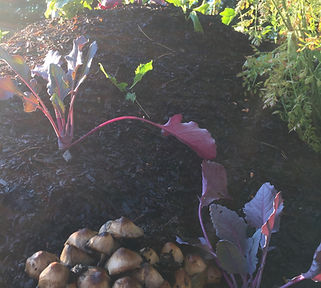
Fact: Supporting regenerative farms improves nutrient density in food, reduces pesticides, and restores soil carbon.
Evidence: Practices that increase “soil sponge” improve flood mitigation, drought resilience, and local climate moderation.
Application: Growing or sourcing local food links personal health with community resilience.
Longevity & Cellular Health
Fact: Connection with nature and soil microbes influences inflammatory pathways, stress hormones, and cellular repair.
Evidence: Regular interaction with soil and plants contributes to reduced chronic inflammation and better immune function.
Application: Gardening, forest exposure, and handling plants integrate physical and ecological health.

Spirituality, Purpose & Personal Ecology
Nature fosters a sense of meaning, interconnectedness, and resilience—key for psychological and spiritual restoration.
Energetic Connection to Nature
Fact: Humans share cellular and DNA-level connections with plants and forest ecosystems.
Evidence: Genomic research supports biochemical similarity; energetic and physiological alignment with natural environments is plausible.
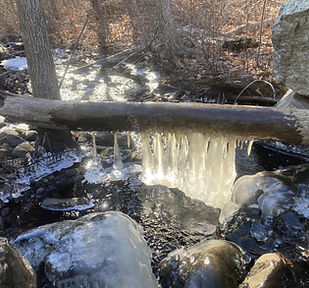
Application: Practices like tree-hugging, forest immersion, and observing seasonal cycles reinforce connection.
.jpeg)

Healing Through Practice
Fact: Routine engagement in nature and ecological stewardship strengthens habits, resilience, and life skills.
Evidence: Recovery programs integrating nature and skill-building show improved adherence and wellbeing.
Application: Projects like growing microgreens, plant care, or community gardening teach responsibility, mindfulness, and purpose.
Nature as Teacher & Inspiration
Fact: Observing natural resilience informs human coping mechanisms.
Evidence: Trees surviving adversity and forests regenerating after disturbance provide models for overcoming trauma.
Application: Reflective practice in natural environments (journaling, guided meditation) translates ecological observation into personal insight.
